Retail & Loss Prevention
Uniformed and plain-clothes officers trained in conflict de-escalation and systematic shrinkage reduction.
Overview
Retail loss prevention covers two different problems that require two different approaches: a visible uniformed presence to deter theft before it happens, and plain-clothes observation to catch organized or repeat shrinkage that a visible guard would simply avoid.
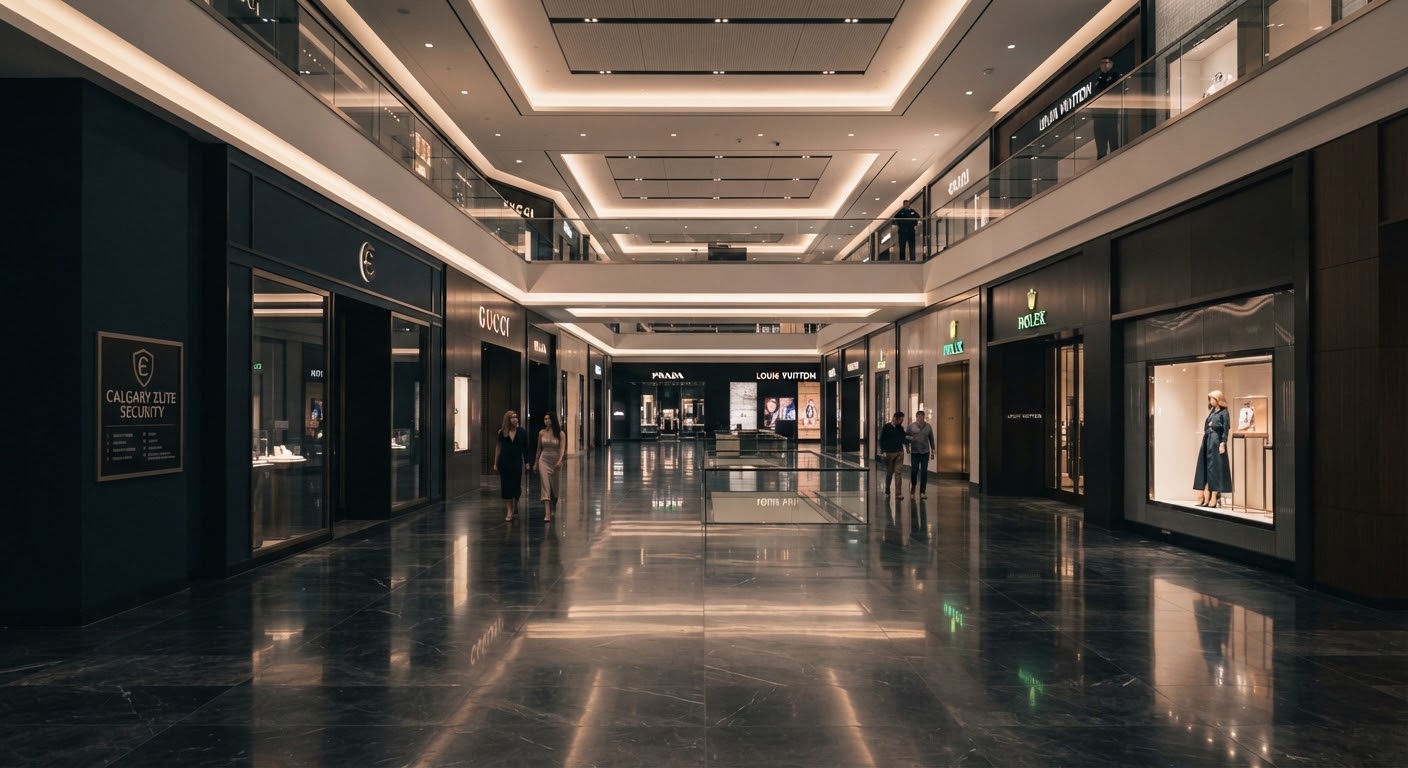
Xera provides both, matched to what a retail environment actually needs — a single storefront usually just needs visible deterrence at the entrance, while a larger retail center or a location dealing with organized retail crime benefits from plain-clothes coverage working alongside store staff and loss-prevention systems already in place.
All officers are trained specifically in conflict de-escalation, since a retail floor is a public, customer-facing space where handling a shoplifting incident badly creates more risk than it prevents.
Frequently asked questions
What's the difference between uniformed and plain-clothes loss prevention?
A uniformed officer is a visible deterrent — most shoplifting is opportunistic and a visible guard prevents it before it starts. Plain-clothes officers observe without being identified as security, which is more effective against organized or repeat theft that a visible guard would simply avoid.
Can retail security be scaled up for busy seasons?
Yes — retail coverage is commonly increased for high-traffic periods like holiday shopping season and scaled back the rest of the year.
What's Included
- Uniformed entrance and floor presence
- Plain-clothes observation for organized or repeat shrinkage
- De-escalation-first incident handling
- Coordination with store staff and existing loss-prevention systems
- Incident documentation for insurance or police reporting
Ideal For
- Single-location retail stores
- Shopping centers and retail plazas
- Locations experiencing repeat or organized shrinkage
- High-traffic seasonal retail periods